
News
致力于为各行业提供:环形锻件、轴锻件、模锻件等自由锻造和模锻锻造件。When it comes to industrial components that demand both strength and corrosion resistance, duplex steel special-shaped forgings emerge as a critical solution. These precision-engineered parts are integral to sectors ranging from oil and gas to chemical processing, where reliability under harsh conditions is non-negotiable. The pricing of such forgings, however, is not a one-size-fits-all figure; it hinges on multiple variables that influence both material selection and manufacturing complexity. Understanding these factors is key for businesses seeking to optimize their procurement strategies.
Duplex steel, a two-phase stainless steel alloy, offers a unique balance of strength and corrosion resistance. The specific grade of duplex steel used—such as UNS S31803 or S32205—directly impacts the cost of the forging. Higher alloy content, which enhances performance in aggressive environments, typically increases the material cost. For instance, S32205, with its improved pitting resistance, may command a premium over more standard grades like S31803. This material choice is often driven by the end-use application, where the forging must withstand specific chemical exposure or mechanical stress.
Moreover, the grade of duplex steel affects the overall cost structure. Manufacturers must consider the availability and procurement costs of these alloys, which can fluctuate based on global market conditions. A thorough material analysis is therefore essential to align the forging's properties with the project requirements while managing the associated costs effectively.
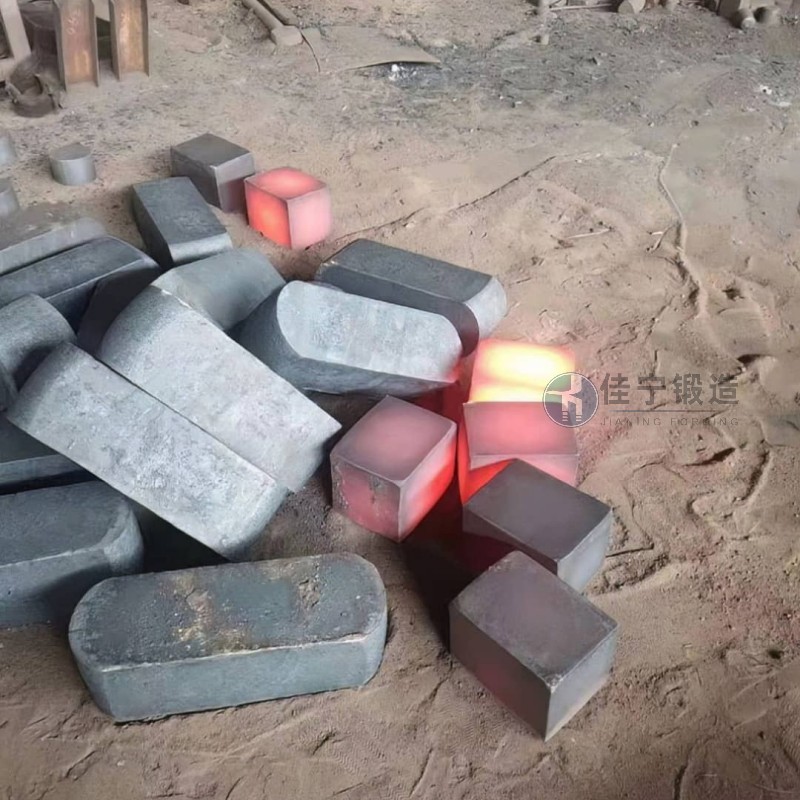
The production of special-shaped forgings involves a multi-step process, from raw material preparation to final machining. The complexity of the part geometry—such as intricate internal cavities, complex contours, or large dimensions—significantly influences the manufacturing cost. Advanced forging techniques, like closed-die forging or hot isostatic pressing (HIP), may be required for parts with high complexity, adding to the cost. For example, a forging with a complex internal structure may necessitate additional tooling and longer processing times, which are factored into the price.
Additionally, the size and weight of the forging play a role. Larger forgings often require specialized equipment and more labor, increasing the per-unit cost. The precision required—such as tight tolerances or surface finish specifications—also adds to the manufacturing expenses. Therefore, the complexity of the design and the production process directly correlates with the final price of the duplex steel special-shaped forging.
Duplex steel special-shaped forgings are widely used in industries where corrosion resistance and mechanical strength are paramount. In the oil and gas sector, these forgings are used in valve bodies, flanges, and pump components, where they must endure high-pressure and corrosive fluids. The cost of such forgings is influenced by the specific application's requirements—for instance, a valve body for offshore operations may require higher-grade duplex steel and more precise machining, leading to a higher price. Similarly, in the chemical processing industry, where the forgings are used in reactors and piping systems, the need for consistent performance under harsh chemical conditions drives up the cost.
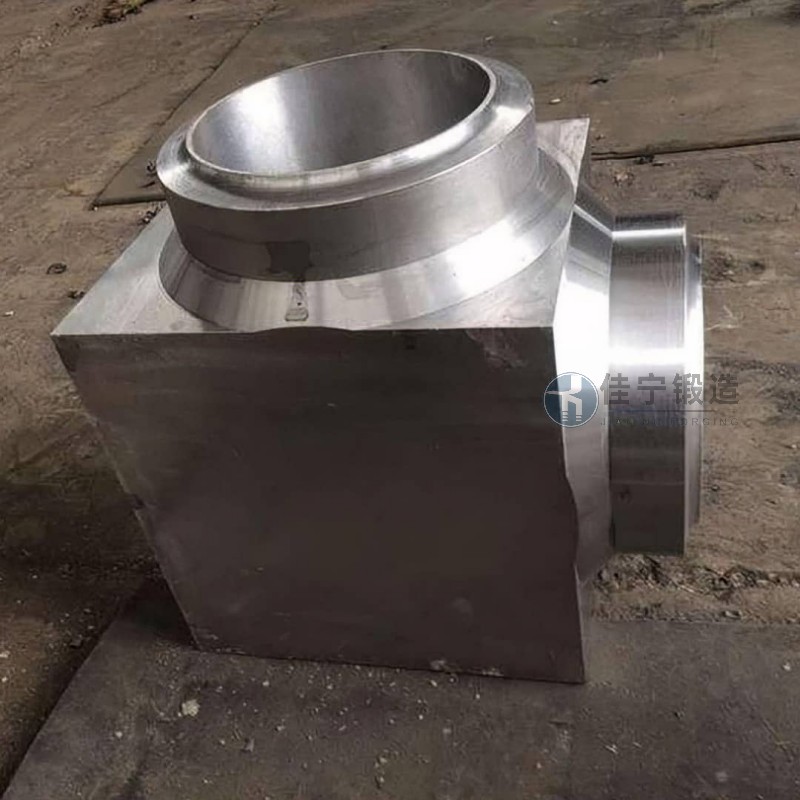
The demand from these industries also affects pricing. High-demand applications, such as those in the petrochemical industry, may see higher prices due to increased competition and material scarcity. Conversely, less demanding applications may have more competitive pricing. Understanding the specific industry requirements helps in estimating the appropriate cost for the duplex steel special-shaped forging.
Quality control is a critical factor in the pricing of duplex steel special-shaped forgings. Manufacturers adhere to international standards like ASTM A879 or EN 10283 to ensure the forgings meet the required specifications. Testing procedures, including chemical analysis, mechanical testing, and non-destructive testing (NDT), add to the overall cost. These tests verify the material's composition, strength, and defect-free nature, which are essential for safety and performance. The more rigorous the quality checks, the higher the cost of the forging.
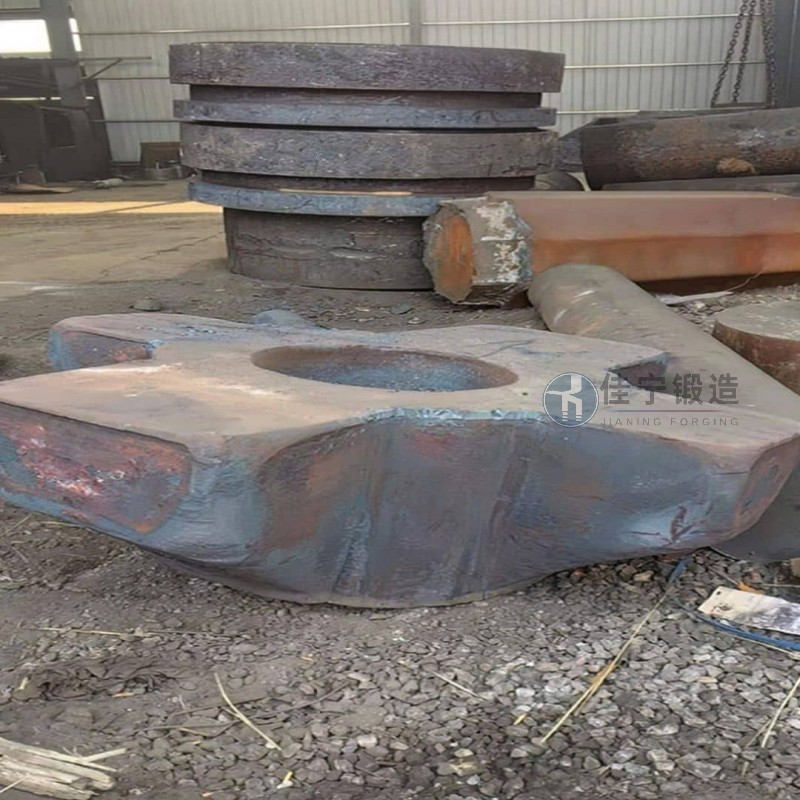
Furthermore, certifications and compliance with industry regulations, such as API or ASME, may be required for certain applications. These certifications involve additional documentation and inspections, which are factored into the price. For businesses, investing in high-quality forgings, even if they are more expensive, often results in long-term cost savings due to reduced maintenance and replacement costs. Therefore, quality assurance is not just a cost adder but a value enhancer in the pricing of duplex steel special-shaped forgings.
At Jianing Forging, we specialize in delivering high-quality duplex steel special-shaped forgings tailored to your specific needs. Our expertise in material selection, manufacturing processes, and quality control ensures that each forging meets the stringent requirements of your industry. To get a customized quote or discuss your project requirements, contact us today. We are committed to providing competitive pricing without compromising on the quality and performance of our products.

 Shanxi Jianing Forging Co., Ltd
 176 9623 6479(Manager Xue)
  176 9623 6479
  Cuijiazhuang Industrial Park, Dingxiang County, Xinzhou City, Shanxi Province
 telephone
top