
News
致力于为各行业提供:环形锻件、轴锻件、模锻件等自由锻造和模锻锻造件。When it comes to industrial applications, the selection of carbon steel shaft rod forgings is a critical decision that impacts both performance and budget. Choosing the right forging not only ensures the durability and reliability of machinery components but also optimizes production costs. In this guide, we explore the key considerations to help you make an informed choice, focusing on how to achieve cost-effectiveness without compromising on quality.
Carbon steel shaft rod forgings are manufactured through the process of forging, where heated metal is shaped under high pressure. This method enhances the material's strength and structural integrity, making it ideal for applications such as automotive, aerospace, and heavy machinery. The key advantage of using carbon steel is its balance of strength, cost, and availability. However, the cost-effectiveness of these forgings depends on several factors, including material grade, dimensions, and manufacturing complexity.
At Jianing forging, we specialize in producing high-quality carbon steel shaft rod forgings that meet industry standards. Our products are designed to withstand high stress and wear, ensuring long service life. By understanding the basics of forging, you can better evaluate the options available and make a decision that aligns with your specific needs.
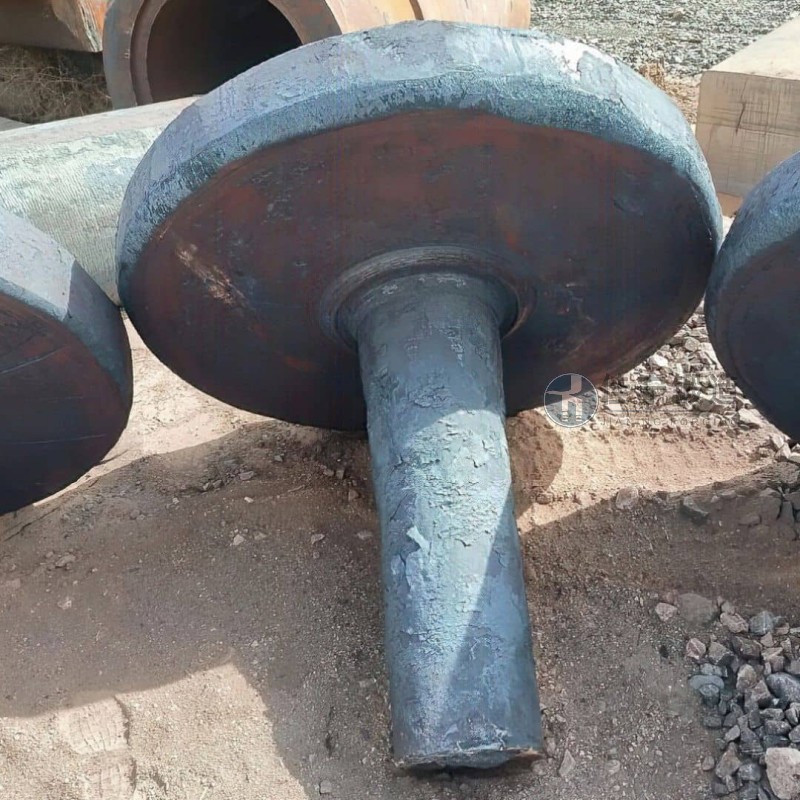
The most significant factor in achieving cost-effectiveness is the material grade. Different grades of carbon steel offer varying levels of strength and ductility. For applications requiring high strength, such as shafts in rotating equipment, higher carbon content may be necessary. However, this increases the cost. A common approach is to select the lowest grade that meets the performance requirements, which can significantly reduce costs. Additionally, the dimensions of the forging play a crucial role. Standardized dimensions often come at a lower price compared to custom sizes, as they allow for more efficient production runs.
Another critical factor is the manufacturing process. Forgings can be produced through hot forging, cold forging, or drop forging. Hot forging is typically more cost-effective for large quantities due to its ability to shape complex parts with fewer steps. Cold forging, while more precise, is generally more expensive and suitable for smaller, high-precision components. Understanding these processes helps in selecting the most cost-effective option for your project.
Material properties directly influence the cost and performance of carbon steel shaft rod forgings. Strength, hardness, and toughness are the primary properties to consider. For example, a higher carbon content increases hardness but reduces ductility, which may affect the forging's ability to absorb impact. Therefore, a balance must be struck between these properties to achieve cost-effectiveness. At Jianing forging, we use advanced metallurgical techniques to optimize material properties, ensuring that our products offer the best possible performance at a competitive price.
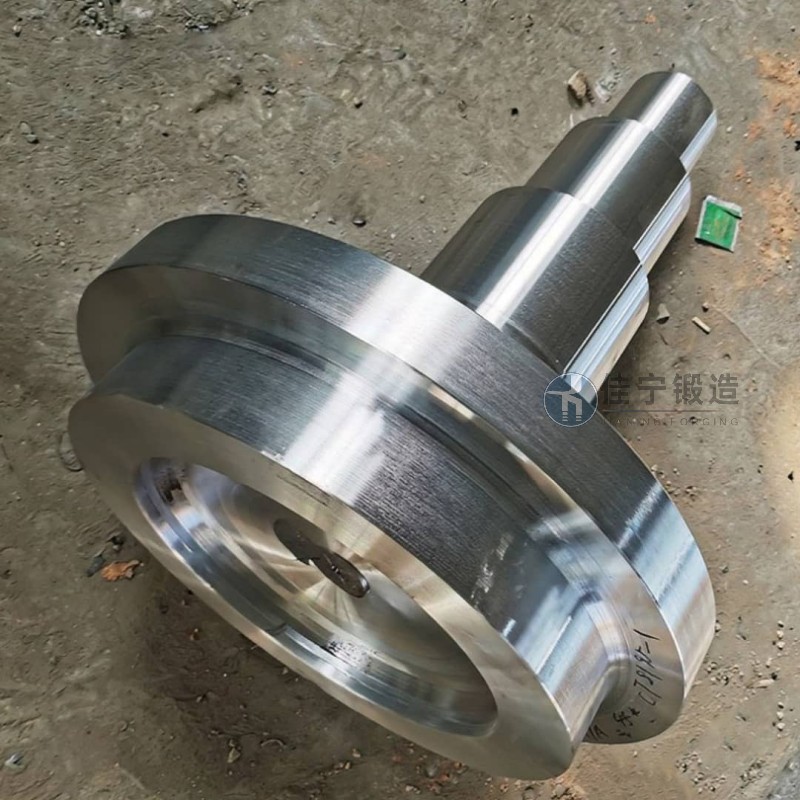
Tolerances and surface finish are also important considerations. Tighter tolerances and smoother surfaces require more precise manufacturing, which increases costs. For many applications, standard tolerances and surface finishes are sufficient and more cost-effective. By specifying the necessary tolerances and finish, you can avoid unnecessary expenses while still meeting the functional requirements of your components.
The manufacturing process is a major determinant of the cost of carbon steel shaft rod forgings. Hot forging involves heating the metal to a high temperature before shaping, which allows for easier deformation and reduces tool wear. This process is particularly cost-effective for large, complex parts. Cold forging, on the other hand, involves shaping the metal at room temperature, which results in higher strength and better surface finish but at a higher cost. The choice between these processes depends on the specific requirements of your application and the volume of forgings needed.
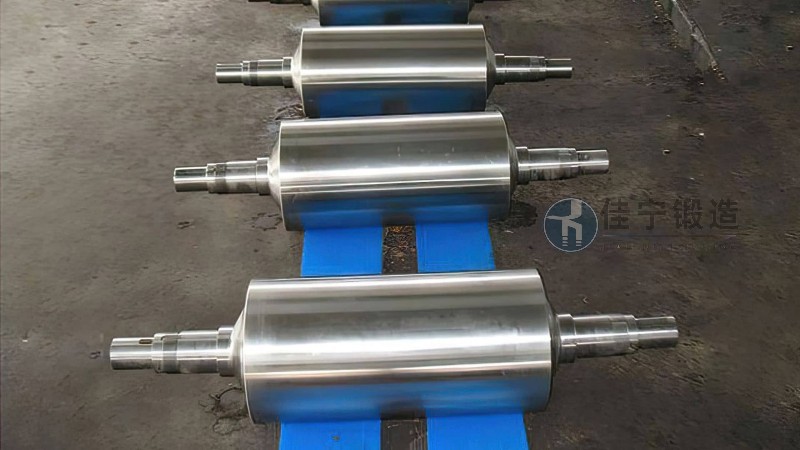
Quality control is another aspect that impacts cost-effectiveness. Rigorous quality checks, such as non-destructive testing and dimensional inspection, ensure that only high-quality forgings are delivered. While these checks add to the cost, they prevent costly failures and replacements in the long run. At Jianing forging, we implement strict quality control measures to maintain consistency and reliability in our products, providing you with peace of mind and cost savings over time.
Choosing cost-effective carbon steel shaft rod forgings requires a thorough understanding of material properties, manufacturing processes, and application requirements. By considering these factors, you can select the right forgings that meet your performance needs while optimizing your budget. At Jianing forging, we are committed to providing high-quality carbon steel shaft rod forgings that are both cost-effective and reliable. Contact us today to discuss your specific requirements and get a quote for our products. Let us help you make the right choice for your industrial applications.

 Shanxi Jianing Forging Co., Ltd
 176 9623 6479(Manager Xue)
  176 9623 6479
  Cuijiazhuang Industrial Park, Dingxiang County, Xinzhou City, Shanxi Province
 telephone
top