
News
致力于为各行业提供:环形锻件、轴锻件、模锻件等自由锻造和模锻锻造件。When selecting national standard aluminum alloy forgings, understanding the conventional process steps is crucial for ensuring product performance, reliability, and compliance with industry standards. The process involves a series of meticulously controlled steps, from raw material preparation to final quality inspection, each critical in determining the final properties of the forged component. For applications in aerospace, automotive, and other high-performance sectors, adhering to these steps is essential to meet stringent requirements and deliver durable, high-quality parts.
The first step in the process of selecting national standard aluminum alloy forgings is the careful selection of raw materials, typically based on the specific application and required mechanical properties. Commonly used alloys include 6061, 7075, and 2024, each with distinct characteristics. For instance, 6061 aluminum alloy is widely used for its good formability and corrosion resistance, while 7075 is chosen for its high strength. Preprocessing involves thorough cleaning, such as degreasing and pickling, to remove surface contaminants and ensure a clean surface for subsequent processing. This step is vital as surface defects can lead to stress concentrations and reduced fatigue life in the final product.
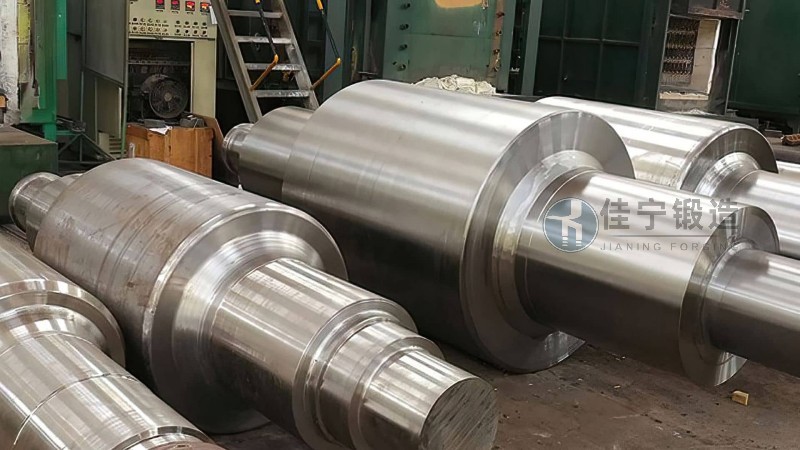
Proper heating is a critical factor in aluminum alloy forging, as it directly impacts the microstructure and mechanical properties of the material. The heating temperature and holding time are carefully controlled to achieve uniform temperature distribution and prevent overheating or underheating. For example, 6061 aluminum alloy is typically heated to a temperature range of 490-520°C, while 7075 alloy requires a higher temperature of 460-490°C. Overheating can cause grain growth, reducing strength, while underheating may result in incomplete recrystallization, leading to poor ductility. The use of modern heating equipment, such as induction or resistance furnaces, ensures precise temperature control and uniform heating, which is essential for consistent quality.
After heating, the aluminum alloy is subjected to forging operations, which include processes like upsetting, drawing, and upsetting-drawing. The choice of forging method depends on the part geometry and required properties. Upsetting increases the cross-sectional area, while drawing reduces it, allowing for the shaping of complex components. The forging ratio, which is the ratio of the initial to final cross-sectional area, is carefully selected to achieve the desired grain refinement and improve strength. For instance, a forging ratio of 2:1 to 3:1 is common for many aerospace components, as it enhances the uniformity of the microstructure and reduces the likelihood of defects. The speed of the forging operation is also controlled to prevent thermal gradients that could lead to cracking.
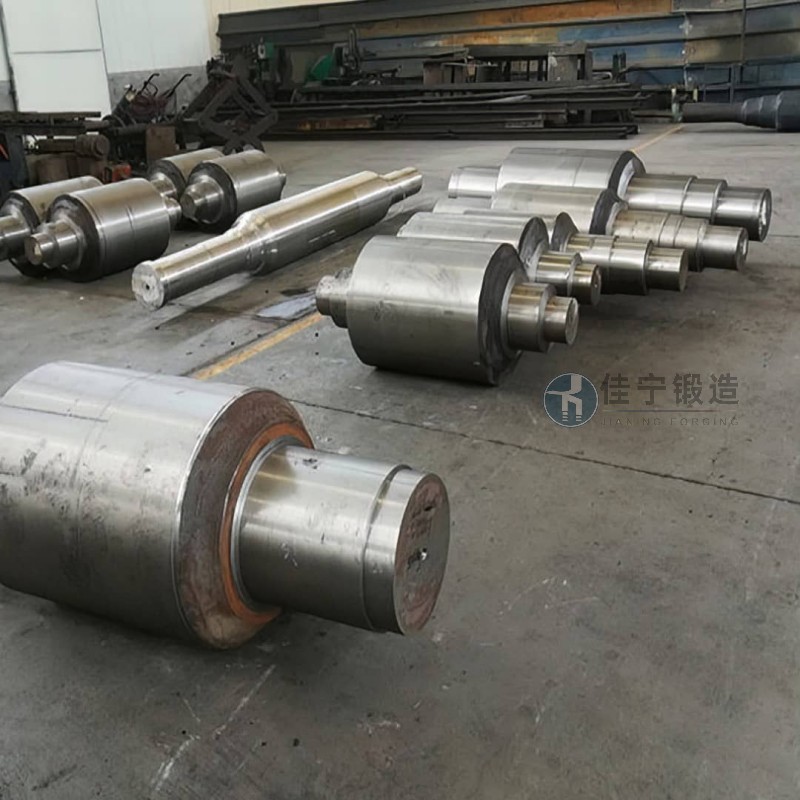
Following the forging operation, the component is cooled to room temperature, with the cooling rate carefully controlled to avoid thermal stresses and cracking. For some alloys, such as 7075, a slow cooling rate is preferred to prevent the formation of brittle phases. Subsequently, heat treatment is performed to enhance the mechanical properties. This typically involves a solution treatment at a high temperature to dissolve the alloying elements, followed by quenching to lock in the supersaturated solid solution. Aging treatment then follows, where the alloy is held at a lower temperature to precipitate fine particles, increasing strength and hardness. This two-step heat treatment process is critical for achieving the optimal balance of strength and ductility required for demanding applications.
Before the final delivery, national standard aluminum alloy forgings undergo rigorous quality inspection to ensure compliance with industry standards, such as GB/T 3190 or ASTM B221. Non-destructive testing methods, including ultrasonic inspection and X-ray radiography, are used to detect internal defects like porosity or cracks. Mechanical property tests, including tensile testing and impact testing, are conducted to verify that the material meets the specified strength and ductility requirements. Surface inspection is also performed to check for defects like scratches or unevenness. Only after passing all these tests are the forgings considered qualified and ready for use. This comprehensive inspection process ensures that the final product meets the highest standards of quality and reliability.
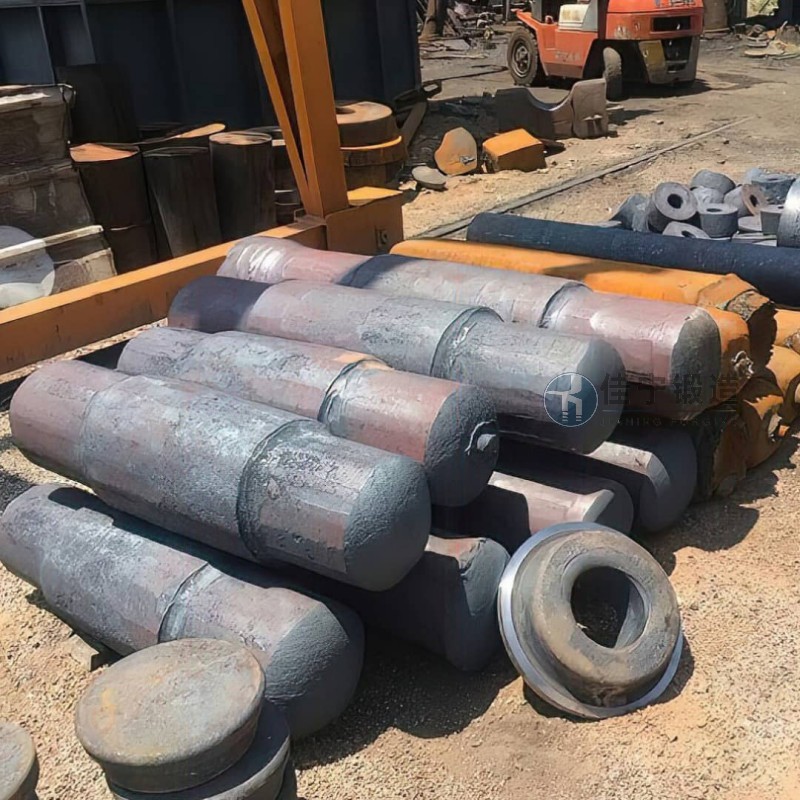
At Jianing forging, we specialize in the production of national standard aluminum alloy forgings, adhering to the conventional process steps outlined above. Our expertise in material selection, heating, forging, heat treatment, and quality inspection ensures that each component is manufactured to the highest standards. Whether you need custom forgings for aerospace, automotive, or industrial applications, we offer tailored solutions to meet your specific requirements. Contact us today to learn more about our products and services, and let us help you achieve your project goals with high-quality aluminum alloy forgings.

 Shanxi Jianing Forging Co., Ltd
 176 9623 6479(Manager Xue)
  176 9623 6479
  Cuijiazhuang Industrial Park, Dingxiang County, Xinzhou City, Shanxi Province
 telephone
top