Aluminum ring forgings play a critical role in industrial applications, and manufacturers must consider multiple factors to ensure product performance and market competitiveness. From material selection to precision forging processes, each step directly impacts the final product's mechanical properties, dimensional accuracy, and cost-effectiveness. Leading enterprises like Jianing forging understand that systematic evaluation of these key factors is essential for providing high-quality aluminum ring forging solutions to diverse industries.
Selecting appropriate aluminum alloys is the foundation of aluminum ring forging manufacturing. Different alloys (such as 6061, 7075) possess unique strength, corrosion resistance, and processing properties. For example, 6061 alloy is commonly used in aerospace and automotive components due to its excellent forgeability and comprehensive mechanical performance, while 7075 alloy is preferred for high-stress environments because of its high strength. Manufacturers need to precisely match alloys based on customer application scenarios (like high-temperature, low-temperature, or corrosive environments) to ensure aluminum ring forgings maintain stable performance during service.
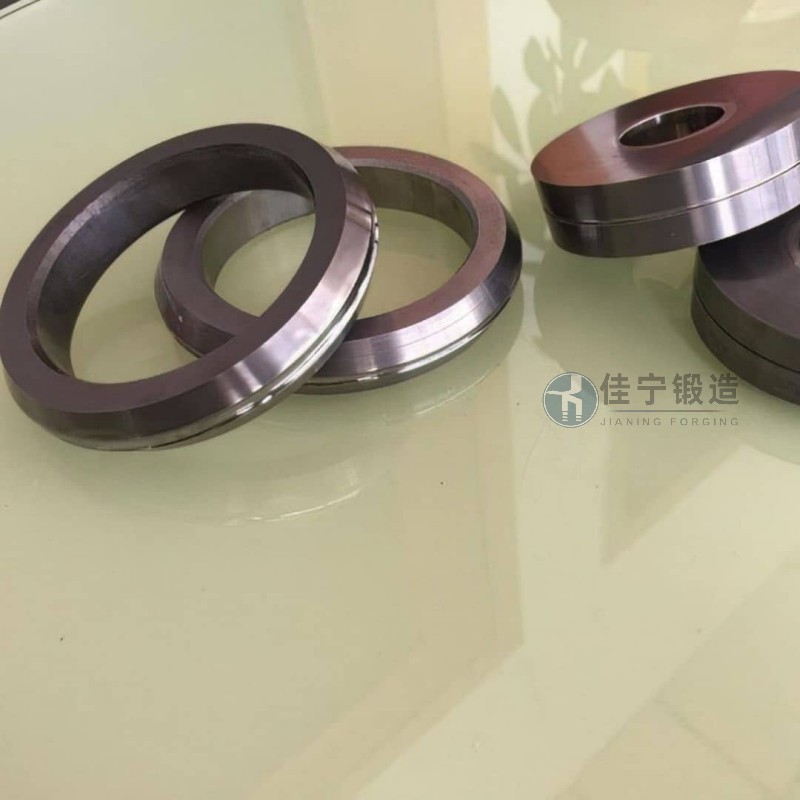
Advanced forging processes guarantee the high precision and density of aluminum ring forgings. Hot forging, cold forging, and isothermal forging optimize material structure and reduce internal defects. Jianing forging utilizes CNC forging equipment combined with computer simulation technology to achieve aluminum ring forging dimensional accuracy within ±0.1mm, while improving production efficiency. Precise control of process parameters (such as temperature, pressure, and speed) directly affects the grain size and mechanical properties of forgings, which is a key indicator of a manufacturer's core competitiveness.
A rigorous quality control system is the cornerstone of aluminum ring forging reliability. Manufacturers must establish a full-process quality management system from raw material inspection to finished product testing. For instance, through X-ray detection, hardness testing, and metallographic analysis, they ensure aluminum ring forgings are free from inclusions and cracks. Additionally, adhering to international quality standards like ISO 9001 provides customers with aluminum ring forgings that meet industry specifications, enhancing customer trust.
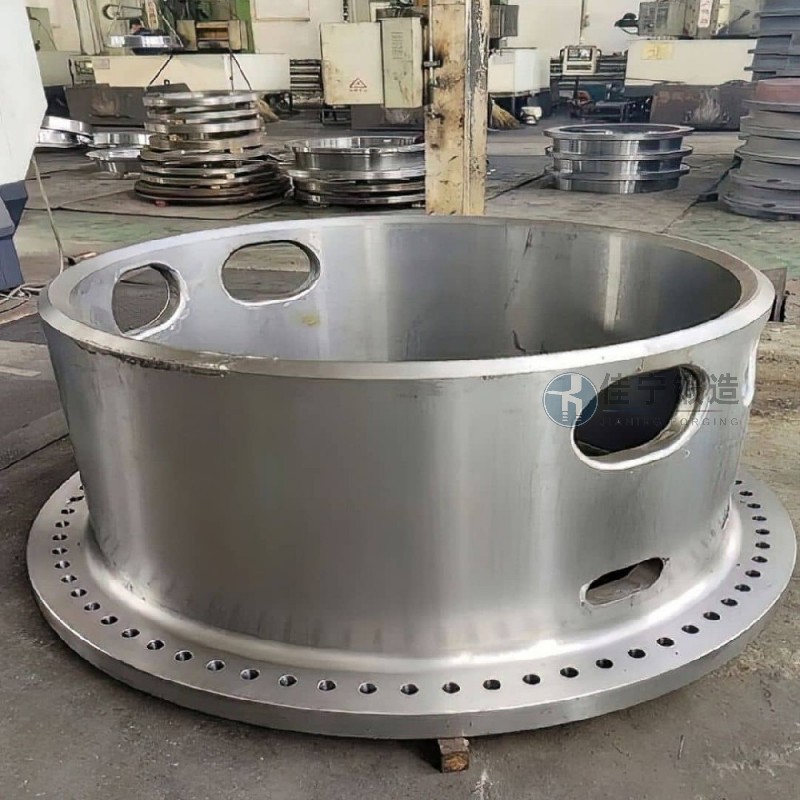
Under the premise of meeting performance requirements, cost control is a key consideration for manufacturers. The manufacturing cost of aluminum ring forgings is influenced by factors such as raw material prices, process complexity, and production scale. Jianing forging optimizes the supply chain (by cooperating with high-quality aluminum material suppliers and reducing unit costs through batch production) and improves process efficiency (by minimizing subsequent machining), achieving maximum cost-effectiveness. At the same time, flexible customization services can meet special customer needs, balancing cost and performance.
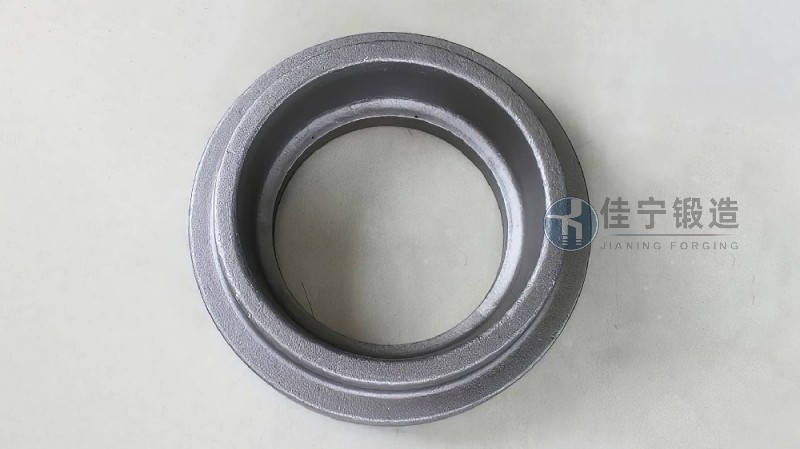
For customers requiring high-performance aluminum ring forgings, Jianing forging offers a one-stop solution from material selection, process design to finished product delivery. We specialize in the precision manufacturing of aluminum ring forgings, ensuring each product meets strict quality standards. If you are interested in the application or customized services of aluminum ring forgings, please contact our professional team for more detailed solutions.
 Shanxi Jianing Forging Co., Ltd
 176 9623 6479(Manager Xue)
  176 9623 6479
  Cuijiazhuang Industrial Park, Dingxiang County, Xinzhou City, Shanxi Province
 telephone
top