When selecting DN350 flange forgings, professionals in the industrial sector often encounter a complex decision-making process. The choice of these critical components directly impacts the performance, safety, and longevity of piping systems. Understanding the systematic approach to selecting the right DN350 flange forging is essential for ensuring optimal functionality and compliance with industry standards. This guide will walk you through the key considerations and steps involved in making an informed decision.
First, it's crucial to define the operational parameters of the piping system where the DN350 flange forging will be installed. Factors such as pressure ratings, temperature ranges, and media type (e.g., fluid, gas, or corrosive substances) are foundational. For instance, in high-pressure oil and gas applications, the DN350 flange forging must withstand significant stress and potential corrosion. This initial assessment ensures that the selected material and design meet the specific demands of the application, preventing premature failure and costly downtime.

Next, material selection is a critical step. Common materials for DN350 flange forgings include carbon steel, alloy steel, and stainless steel, each with distinct properties. Carbon steel is cost-effective and suitable for general applications, while alloy steel offers enhanced strength and resistance to high temperatures. Stainless steel, on the other hand, excels in corrosion resistance, making it ideal for chemical processing industries. The choice of material directly influences the flange's durability and compatibility with the surrounding environment. Additionally, the flange's connection type—such as threaded, welded, or slip-on—must align with the existing piping infrastructure. This ensures seamless integration and operational efficiency.
Material properties, including tensile strength, yield strength, and hardness, are critical for the performance of DN350 flange forgings. These properties determine how well the flange can withstand mechanical stress and thermal fluctuations. For example, in petrochemical plants, where temperatures can reach extreme levels, the material must maintain its structural integrity under high heat. Jianing forging, as a reputable manufacturer, emphasizes the use of high-quality materials that meet international standards like ASTM or ASME. This commitment to material quality ensures that the DN350 flange forging can handle demanding conditions without compromising safety or reliability.
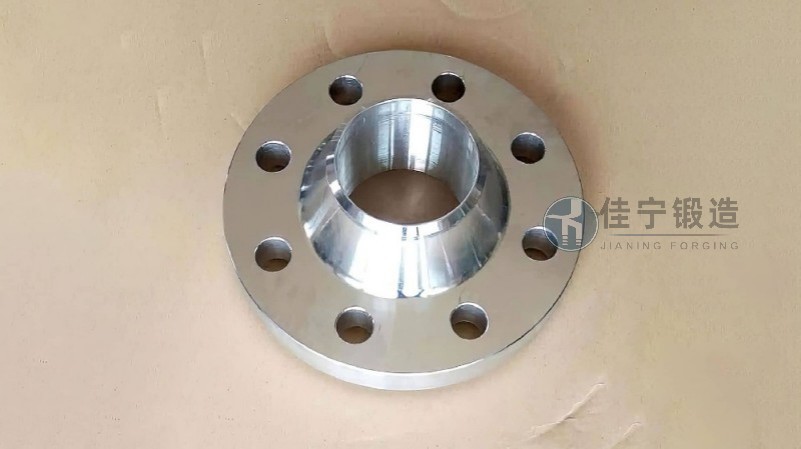
The manufacturing process of DN350 flange forgings involves several stages, from raw material preparation to final inspection. Forging, as the primary method, involves shaping the metal under high pressure, which enhances its strength and uniformity. This process eliminates internal defects that may be present in castings, making the flange more durable. After forging, the flange undergoes heat treatment to adjust its mechanical properties and relieve internal stresses. Surface finishing, such as machining or grinding, ensures a smooth surface and precise dimensions. Quality assurance measures, including non-destructive testing (NDT) and dimensional checks, verify that the flange meets the required specifications. These steps are essential for maintaining the high standards expected in industrial applications.
DN350 flange forgings are widely used in various industries, including oil and gas, petrochemical, power generation, and water treatment. In oil and gas pipelines, they connect sections of pipe, allowing for easy maintenance and repair. In petrochemical plants, they facilitate the transfer of corrosive chemicals, requiring materials with high resistance to degradation. The selection of DN350 flange forgings must also comply with industry standards, such as API 6A, ASME B16.5, or ISO 7005-1. These standards ensure that the flange is compatible with other components and meets safety requirements. Understanding these standards is crucial for selecting the right DN350 flange forging for specific applications, as non-compliance can lead to operational issues or regulatory violations.
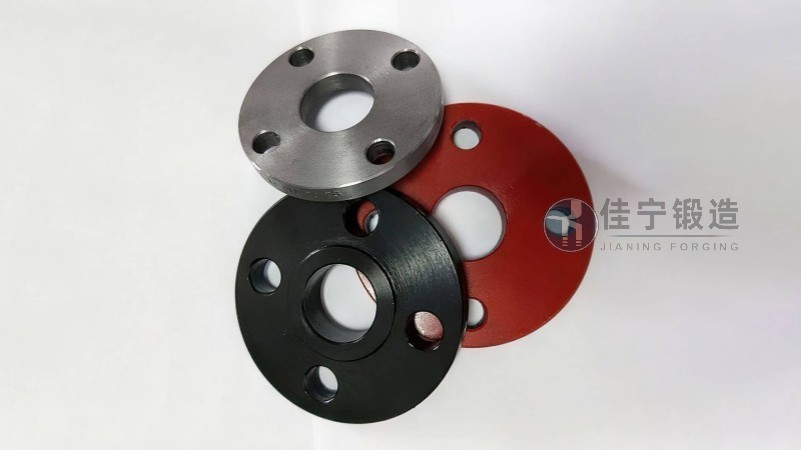
For professionals seeking reliable DN350 flange forgings, partnering with a trusted manufacturer like Jianing forging is the key to ensuring quality and performance. Our expertise in material selection, manufacturing processes, and quality control ensures that each DN350 flange forging meets the highest industry standards. Whether you need a standard flange or a custom-designed component, we provide tailored solutions that address your specific needs. Contact us today to learn more about our DN350 flange forgings and how we can support your industrial projects.
 Shanxi Jianing Forging Co., Ltd
 176 9623 6479(Manager Xue)
  176 9623 6479
  Cuijiazhuang Industrial Park, Dingxiang County, Xinzhou City, Shanxi Province
 telephone
top