Carbon steel cylindrical forgings represent a cornerstone in modern manufacturing, serving as foundational components across diverse industrial sectors. These precision-engineered parts, crafted through the forging process, offer exceptional strength, durability, and dimensional accuracy, making them indispensable in applications ranging from machinery to automotive and energy systems. The inherent properties of carbon steel, combined with the forging technique, result in a product that balances performance with cost-effectiveness, driving efficiency and reliability in various engineering solutions.
The forging process involves applying compressive forces to heated carbon steel, transforming its microstructure to enhance mechanical properties. This method, unlike casting or machining, eliminates internal defects and porosity, resulting in a dense, uniform material. The heat treatment and subsequent shaping ensure that carbon steel cylindrical forgings achieve high tensile strength, wear resistance, and impact resistance. For instance, in high-stress environments like heavy machinery, the forging process ensures that the parts can withstand repeated loads and harsh conditions, extending their service life.
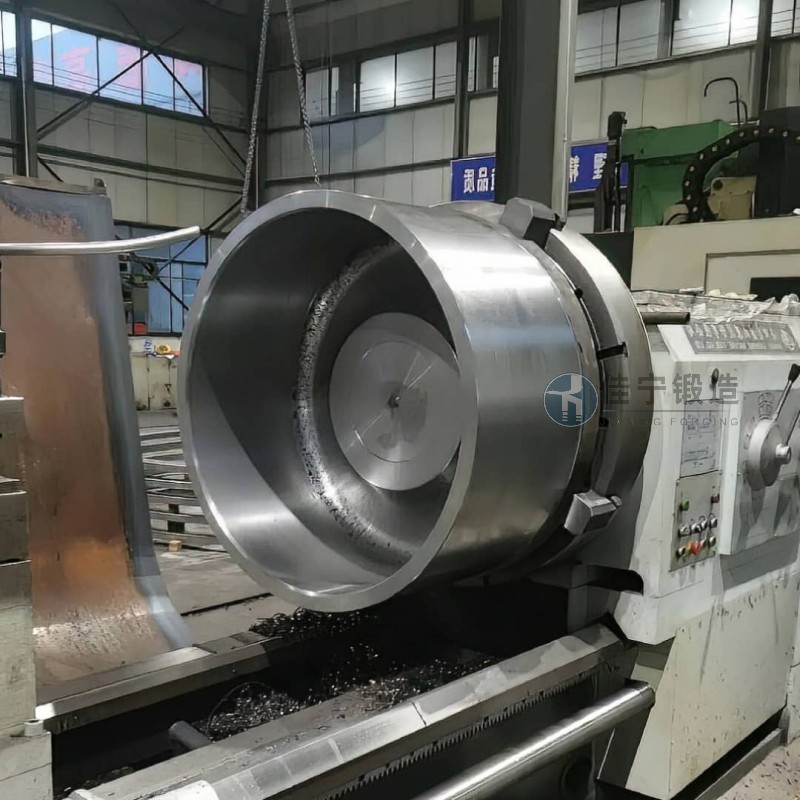
Carbon steel cylindrical forgings are widely used in sectors such as automotive, aerospace, energy, and construction. In the automotive industry, they serve as critical components in engine blocks, crankshafts, and transmission shafts, where reliability and performance are paramount. The aerospace sector relies on these forgings for aircraft landing gear, structural parts, and hydraulic components, demanding strict standards for weight reduction and strength. In the energy industry, they are used in power generation equipment, such as turbines and generators, where high efficiency and durability are essential. Even in construction, they contribute to structural beams and fasteners, supporting the integrity of buildings and infrastructure.
Compared to other manufacturing methods, carbon steel cylindrical forgings offer several advantages. The forging process allows for the production of complex shapes with high precision, reducing the need for additional machining steps. This leads to cost savings and faster production cycles. Additionally, the material's inherent strength and corrosion resistance make it suitable for harsh environments. For example, in marine applications, the forgings can resist saltwater corrosion, ensuring long-term performance. The dimensional stability of carbon steel cylindrical forgings also minimizes variability in final products, enhancing consistency across batches.
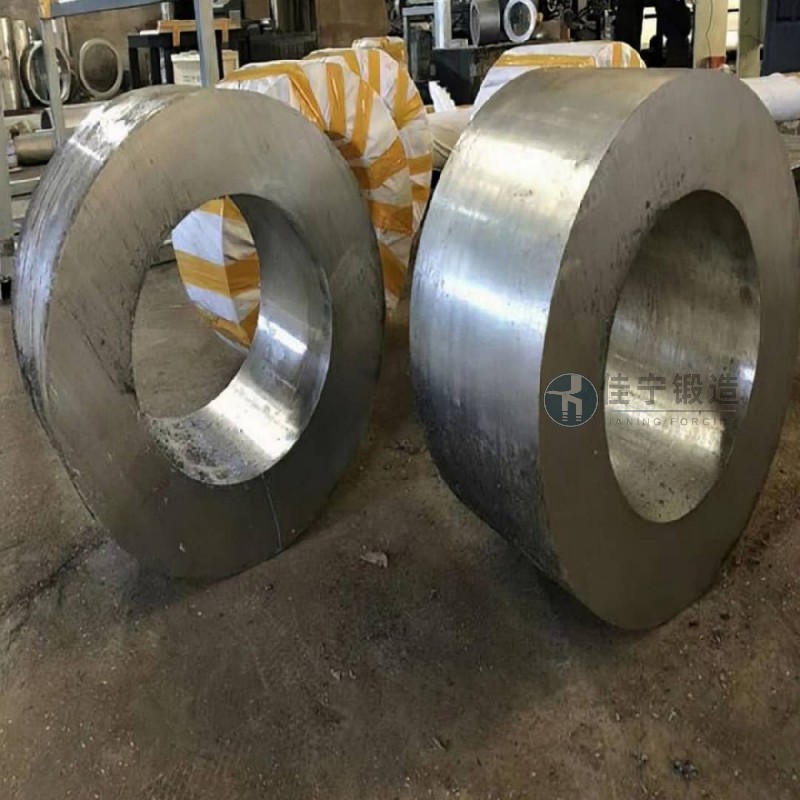
Jianing forging adheres to international quality standards, such as ISO 9001, to ensure the excellence of carbon steel cylindrical forgings. Every step of the manufacturing process, from raw material selection to final inspection, is rigorously monitored. The use of advanced equipment, including computerized numerical control (CNC) forging machines and non-destructive testing (NDT) methods, guarantees that each part meets the required specifications. Customers can expect consistent quality, traceability, and compliance with industry regulations. This commitment to quality ensures that the carbon steel cylindrical forgings from Jianing forging are reliable and perform as expected in demanding applications.
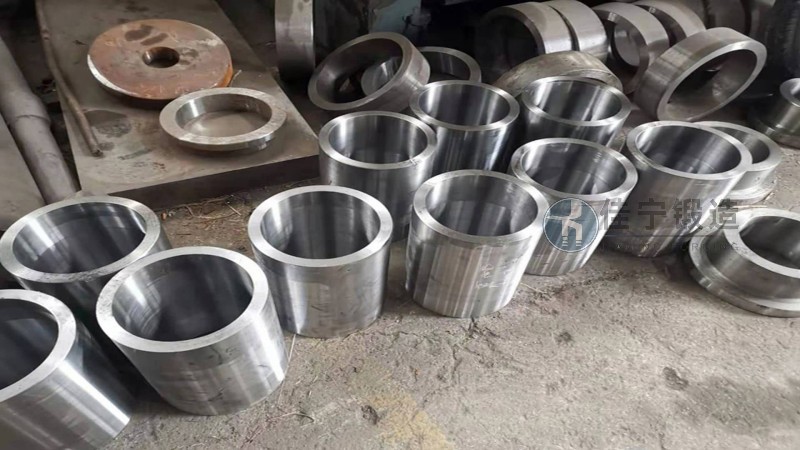
If you are looking for high-quality carbon steel cylindrical forgings for your industrial needs, consider partnering with Jianing forging. Our expertise in forging technology and commitment to quality can provide you with tailored solutions that meet your specific requirements. Contact us today to discuss your project and explore how our carbon steel cylindrical forgings can enhance the performance and longevity of your equipment.

 Shanxi Jianing Forging Co., Ltd
 176 9623 6479(Manager Xue)
  176 9623 6479
  Cuijiazhuang Industrial Park, Dingxiang County, Xinzhou City, Shanxi Province
 telephone
top