
News
致力于为各行业提供:环形锻件、轴锻件、模锻件等自由锻造和模锻锻造件。In the realm of industrial manufacturing, high-pressure vessel forgings serve as critical components in sectors ranging from petrochemical to power generation. The selection of these forgings is not merely a matter of preference but a critical decision that directly impacts operational safety, equipment longevity, and overall system efficiency. As industries increasingly demand precision and reliability in high-pressure applications, understanding the nuances of choosing the right high-pressure vessel forgings has become paramount for engineers and procurement professionals alike.
At the core of any high-pressure vessel forging is the material, which must withstand extreme pressures, temperatures, and chemical exposures. Common materials include carbon steel, alloy steel, and stainless steel, each with distinct properties suited to specific applications. For instance, carbon steel is favored for its cost-effectiveness and strength in moderate-pressure environments, while alloy steel offers enhanced toughness and resistance to high temperatures. Stainless steel, on the other hand, excels in corrosion-resistant applications, such as in chemical processing. The choice of material is often dictated by the specific operating conditions of the vessel, making it essential to align material properties with the intended use to ensure optimal performance and safety.
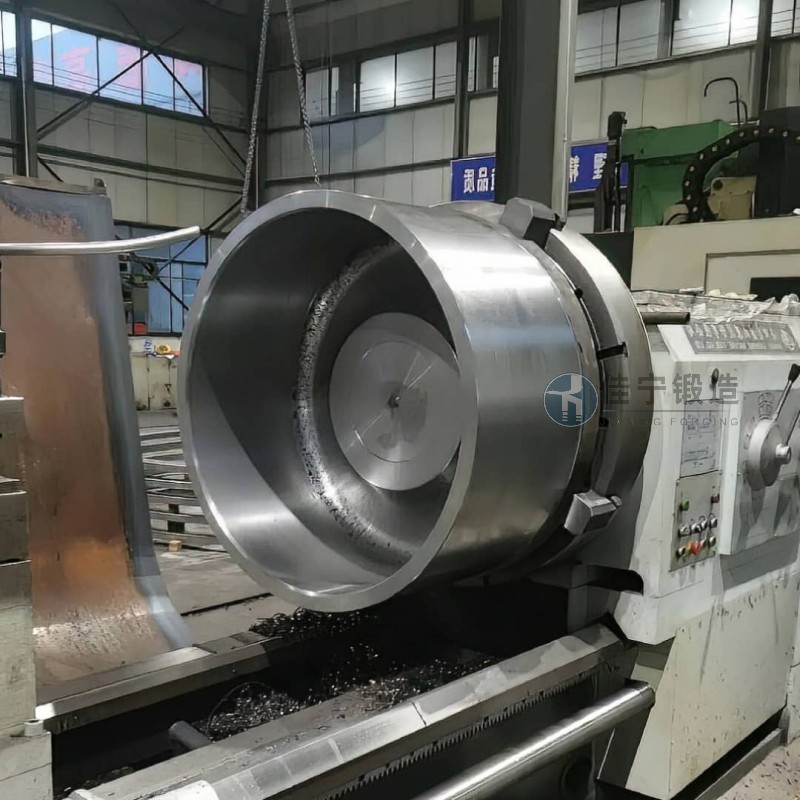
The manufacturing process of high-pressure vessel forgings is equally critical, as it directly influences the component's structural integrity and durability. Traditional forging methods, such as closed-die forging and open-die forging, are widely used to achieve the desired shape and grain structure. Closed-die forging, for example, produces forgings with precise dimensions and uniform grain flow, enhancing strength and reducing defects. Conversely, open-die forging is suitable for larger components or those requiring more flexibility in shaping. Advanced techniques like hot isostatic pressing (HIP) and vacuum arc remelting (VAR) are employed to further refine material properties, eliminating internal defects and improving ductility. The choice of manufacturing process should be guided by the material type, component size, and the required mechanical properties, ensuring that the forging meets or exceeds industry standards like ASME, API, or ISO.
Quality assurance is a non-negotiable aspect of high-pressure vessel forgings, as it directly impacts the safety and reliability of the final product. Leading manufacturers like Jianing forging adhere to rigorous quality control protocols, including material certification, non-destructive testing (NDT), and dimensional inspection. Non-destructive testing methods, such as ultrasonic testing (UT), radiography (RT), and magnetic particle inspection (MPI), are used to detect internal and surface defects, ensuring that the forging is free from porosity, cracks, or inclusions. Dimensional accuracy is also critical, as deviations can compromise the vessel's structural integrity. Additionally, material certification, such as ASTM or EN standards, verifies that the material meets the required chemical and mechanical properties. By implementing comprehensive quality assurance measures, manufacturers can provide forgings that meet the highest industry standards, giving customers confidence in their investment.
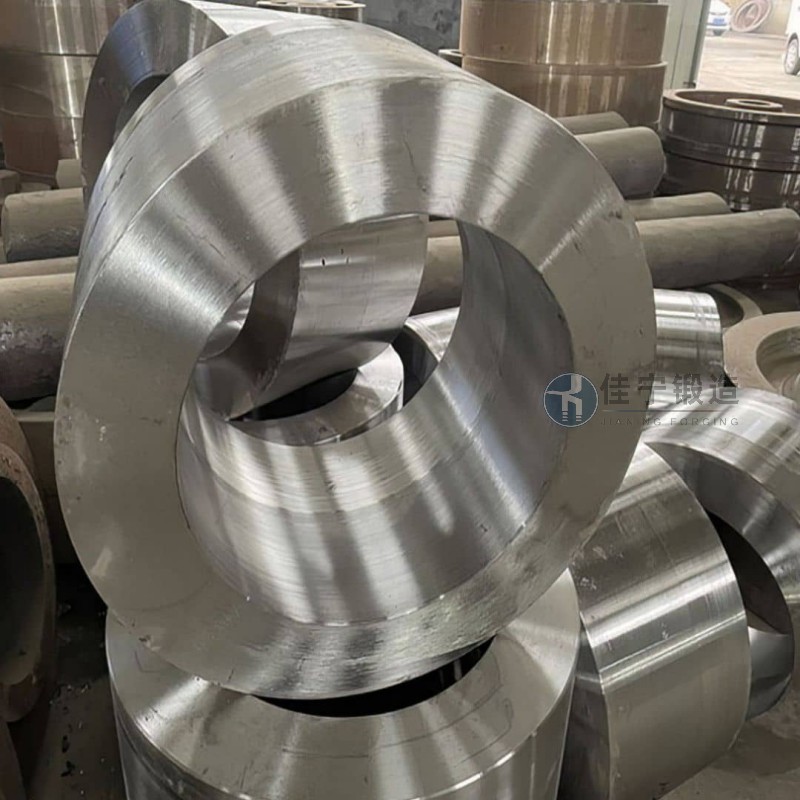
Choosing high-pressure vessel forgings requires a deep understanding of the specific application requirements. Factors such as operating pressure, temperature range, and chemical compatibility must be carefully evaluated to select the most suitable forging. For example, in power generation, high-pressure steam generators demand forgings that can withstand high temperatures and pressures, often requiring alloy steel with high creep resistance. In petrochemical plants, vessels handling corrosive chemicals may require stainless steel or specialized alloy forgings to prevent degradation. Additionally, the design of the vessel, including the number of nozzles, flanges, and connections, must be considered to ensure proper integration with the forging. By aligning the forging's design and material properties with the application's demands, engineers can optimize performance and minimize the risk of failure.
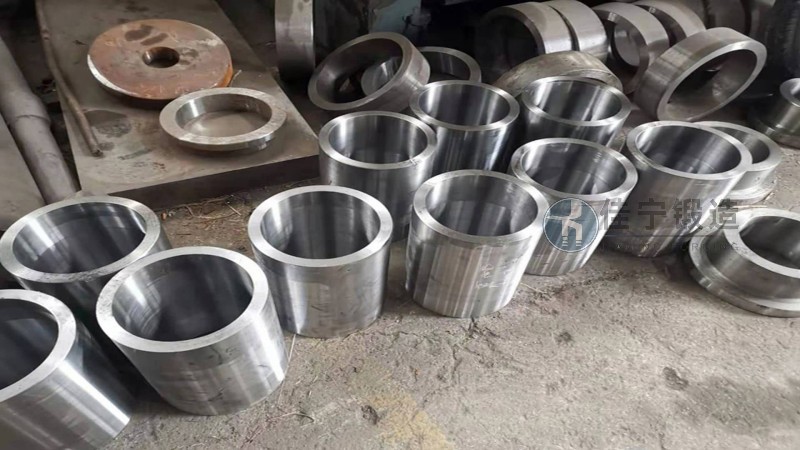
When it comes to selecting high-pressure vessel forgings that meet the highest standards of quality and performance, partnering with a reputable manufacturer like Jianing forging is the key to success. With decades of experience in forging technology and a commitment to excellence, Jianing forging offers a wide range of high-pressure vessel forgings tailored to diverse industrial needs. Whether you require standard or custom-designed forgings, our team of experts can provide guidance on material selection, manufacturing processes, and quality assurance to ensure that your high-pressure vessel components are reliable, durable, and safe. Contact us today to learn more about our high-pressure vessel forgings and how we can support your industrial projects.

 Shanxi Jianing Forging Co., Ltd
 176 9623 6479(Manager Xue)
  176 9623 6479
  Cuijiazhuang Industrial Park, Dingxiang County, Xinzhou City, Shanxi Province
 telephone
top