
News
致力于为各行业提供:环形锻件、轴锻件、模锻件等自由锻造和模锻锻造件。When it comes to selecting rolled ring forgings, making the right choice is crucial for ensuring the performance and longevity of your mechanical components. Whether you're in the automotive, aerospace, or industrial machinery sector, the quality of these forgings directly impacts the efficiency and safety of your operations. Understanding the key factors that define a high-quality rolled ring forging can help you avoid common pitfalls and select a product that meets your specific requirements.
One of the most critical aspects of choosing rolled ring forgings is the material used and the manufacturing process. High-quality rolled ring forgings are typically produced using premium steel alloys, such as carbon steel, alloy steel, or stainless steel, depending on the application. The forging process, including hot rolling and precise shaping, ensures that the material's grain structure is optimized for strength and durability. For instance, Jianing forging specializes in using advanced forging techniques to maintain uniform grain flow, which enhances the forging's mechanical properties and resistance to fatigue.
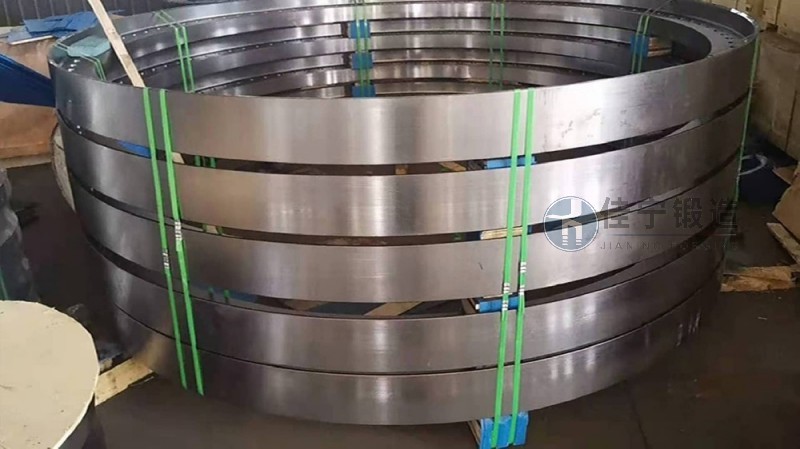
Dimensional accuracy is paramount for components that require tight fitments or precise alignment in assemblies. Rolled ring forgings must adhere to strict dimensional tolerances to ensure they integrate seamlessly with other parts. Factors like the die design, rolling speed, and post-forging machining all contribute to the final dimensions. When selecting a supplier, check their capability to maintain consistent tolerances across production runs. For example, Jianing forging employs state-of-the-art measurement equipment to verify each rolled ring forging against design specifications, guaranteeing that every piece meets the required standards.
The suitability of a rolled ring forging depends heavily on its intended application. In the aerospace industry, for example, forgings must meet stringent standards for weight reduction and strength, often requiring lightweight alloys like titanium or high-strength steel. In contrast, industrial machinery may prioritize cost-effectiveness and durability, making carbon steel a more suitable choice. Understanding the load-bearing capacity, operating environment, and performance demands of your application will guide you in selecting the right material and design. By aligning the forging's properties with your application's needs, you can maximize its performance and extend its service life.
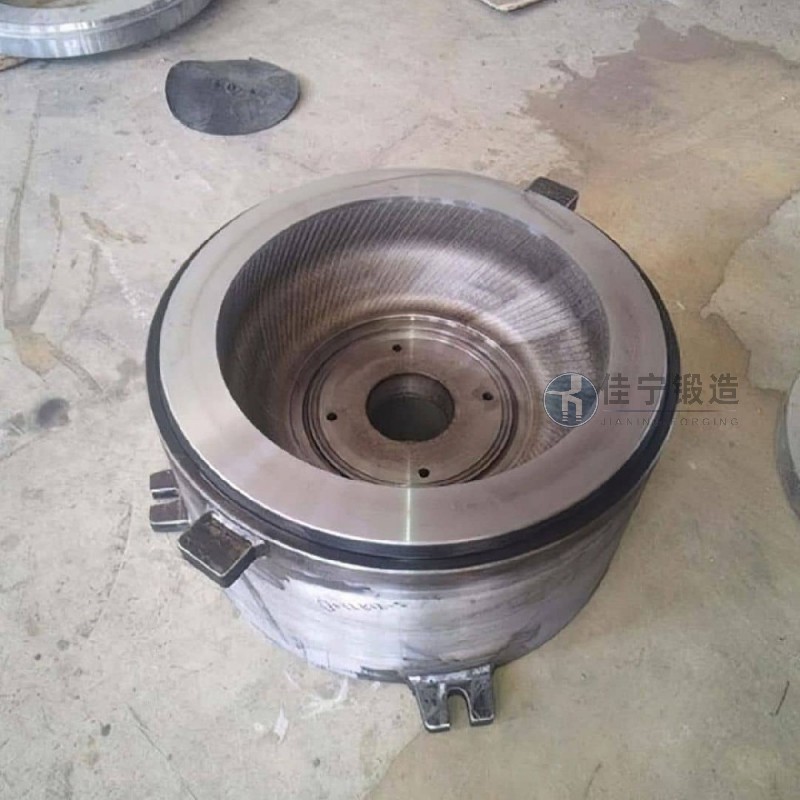
The reputation and certifications of the manufacturer are key indicators of product quality and reliability. Reputable manufacturers like Jianing forging hold certifications such as ISO 9001 for quality management systems, and may also comply with industry-specific standards like ASTM or DIN. These certifications ensure that the manufacturing process adheres to international best practices, and that the final product meets or exceeds industry standards. When evaluating suppliers, inquire about their quality control procedures, production capacity, and customer feedback. A reliable supplier will provide detailed documentation, including material certificates and test reports, to validate the quality of their rolled ring forgings.
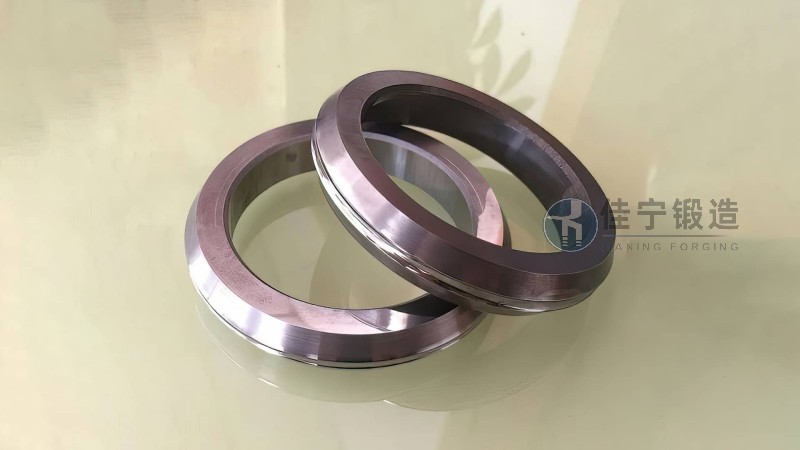
Choosing the right rolled ring forgings is a decision that directly impacts the success of your projects. By focusing on material quality, dimensional accuracy, application suitability, and supplier reliability, you can select a product that delivers optimal performance and longevity. If you're looking for high-quality rolled ring forgings tailored to your specific needs, consider contacting Jianing forging. Our team of experts is ready to assist you in selecting the perfect solution for your applications, ensuring that your mechanical components operate at their best.
 Shanxi Jianing Forging Co., Ltd
 176 9623 6479(Manager Xue)
  176 9623 6479
  Cuijiazhuang Industrial Park, Dingxiang County, Xinzhou City, Shanxi Province
 telephone
top