
News
致力于为各行业提供:环形锻件、轴锻件、模锻件等自由锻造和模锻锻造件。In industrial pipeline systems, pipe blinds play a critical role in isolating sections of the pipeline for maintenance, repair, or testing. The selection of an appropriate pipe blind is not a trivial task, as it directly impacts operational safety, efficiency, and longevity. This article provides a systematic overview of the general process steps involved in selecting the right pipe blinds for your specific needs, ensuring you make informed decisions that align with industry standards and operational requirements.
The first step in selecting a pipe blind is to thoroughly understand the specific application requirements. This involves assessing the type of pipeline system, the fluid being handled (such as water, oil, or chemicals), and the operating conditions like temperature and pressure. For instance, in a high-pressure oil pipeline, the blind must be rated to withstand extreme pressures without deformation or failure. Similarly, in a chemical processing plant, the material must resist corrosion and chemical attack to ensure long-term reliability.
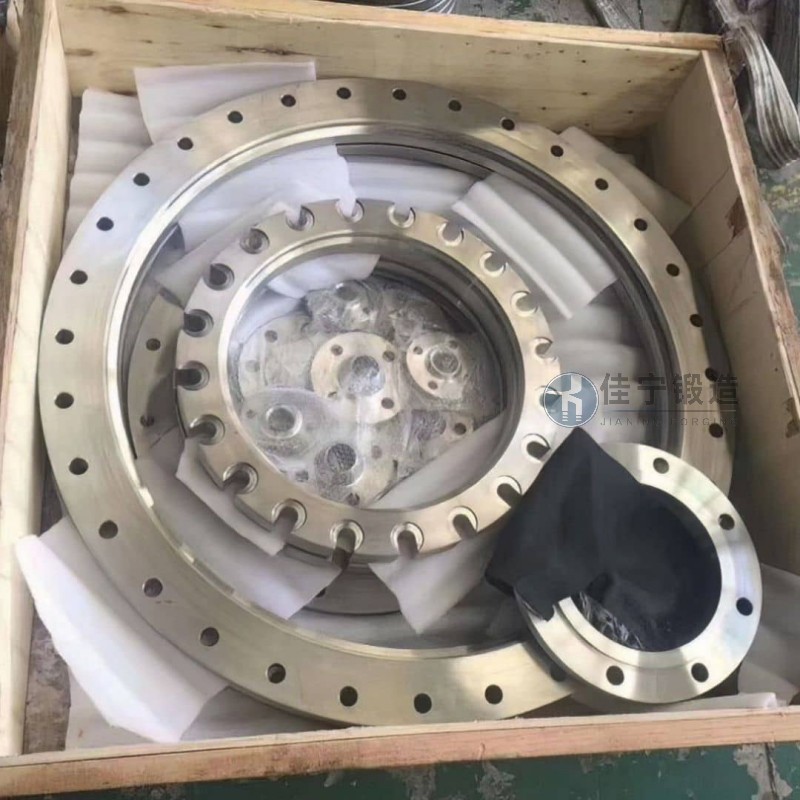
Material selection is a critical decision point, directly impacting the blind's performance and longevity. Common materials include carbon steel, stainless steel (like 304 or 316), and alloy steels, each with distinct properties. Carbon steel is cost-effective for non-corrosive applications, while stainless steel offers superior corrosion resistance, making it ideal for chemical processing. Compliance with industry standards like ASME B16.5 or API 6A is essential to ensure the blind meets safety and performance benchmarks. For example, Jianing forging adheres to these standards, providing blinds that are certified for various industrial applications.
The size and pressure rating of the pipe blind must match the pipeline specifications precisely. The diameter of the blind should correspond to the pipe's nominal size, and the pressure rating must exceed the maximum operating pressure to provide a safety margin. Overlooking this can lead to catastrophic failures, such as leaks or pipe rupture. Manufacturers often provide pressure rating charts and tables to help users select the appropriate size. Jianing forging offers a range of sizes from small diameter (e.g., 1 inch) to large diameter (e.g., 48 inch) with pressure ratings up to thousands of psi, catering to diverse industrial needs.
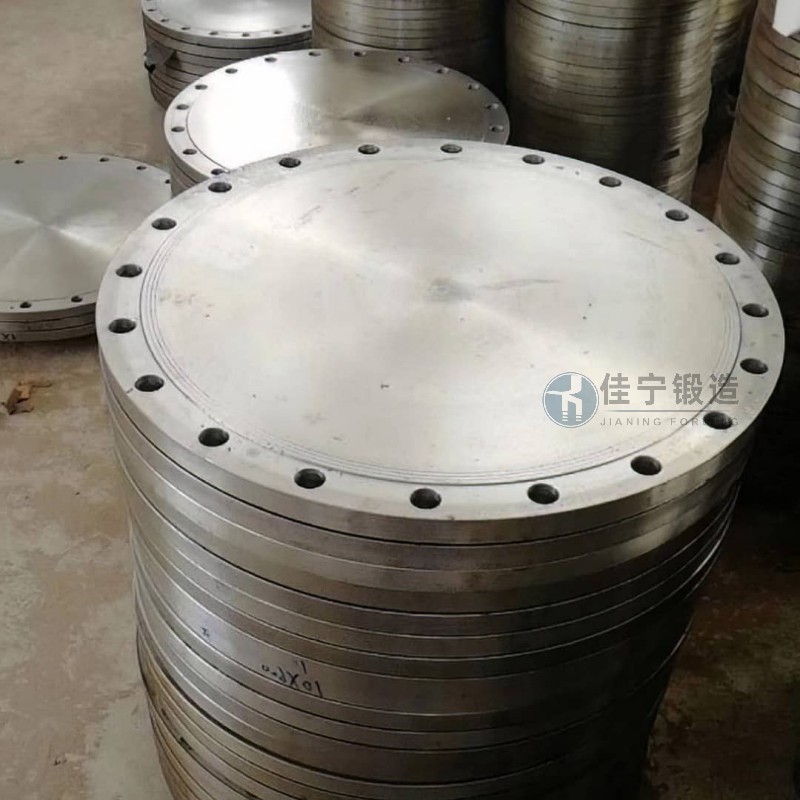
Choosing a reputable manufacturer is paramount for quality and reliability. A reliable manufacturer like Jianing forging conducts rigorous quality control, including material testing, dimensional checks, and pressure testing. They also provide detailed documentation, such as material certificates and test reports, to verify compliance. Additionally, certifications like ISO 9001 for quality management systems further assure customers of consistent product quality. By partnering with a trusted manufacturer, users can ensure the pipe blind meets all regulatory and operational requirements.
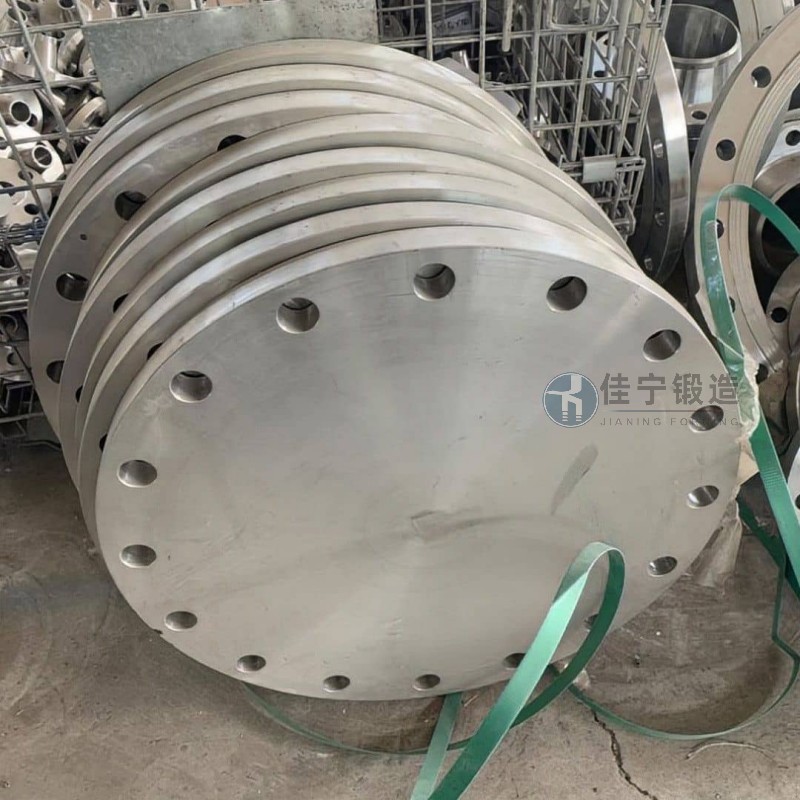
If you are facing challenges in selecting the right pipe blinds for your industrial projects, consider reaching out to Jianing forging. Our team of experts can provide personalized guidance, helping you navigate the selection process and choose the most suitable pipe blinds that meet your specific requirements. Contact us today to learn more about our high-quality pipe blinds and how we can support your operational needs.

 Shanxi Jianing Forging Co., Ltd
 176 9623 6479(Manager Xue)
  176 9623 6479
  Cuijiazhuang Industrial Park, Dingxiang County, Xinzhou City, Shanxi Province
 telephone
top